Qualified Tire Work: Return to Driving Securely and Promptly
Skilled tire repairs serve an essential function in protecting vehicle safety and performance. Experienced technicians undertake thorough inspections to discover assorted tire difficulties. From punctures to alignment complications, each issue warrants careful focus. Knowing when to turn to professional guidance can prevent ensuing complications. As drivers encounter these obstacles, they may consider the most suitable repair options and care standards. Studying these areas can facilitate informed decisions and more secure experiences down the road.
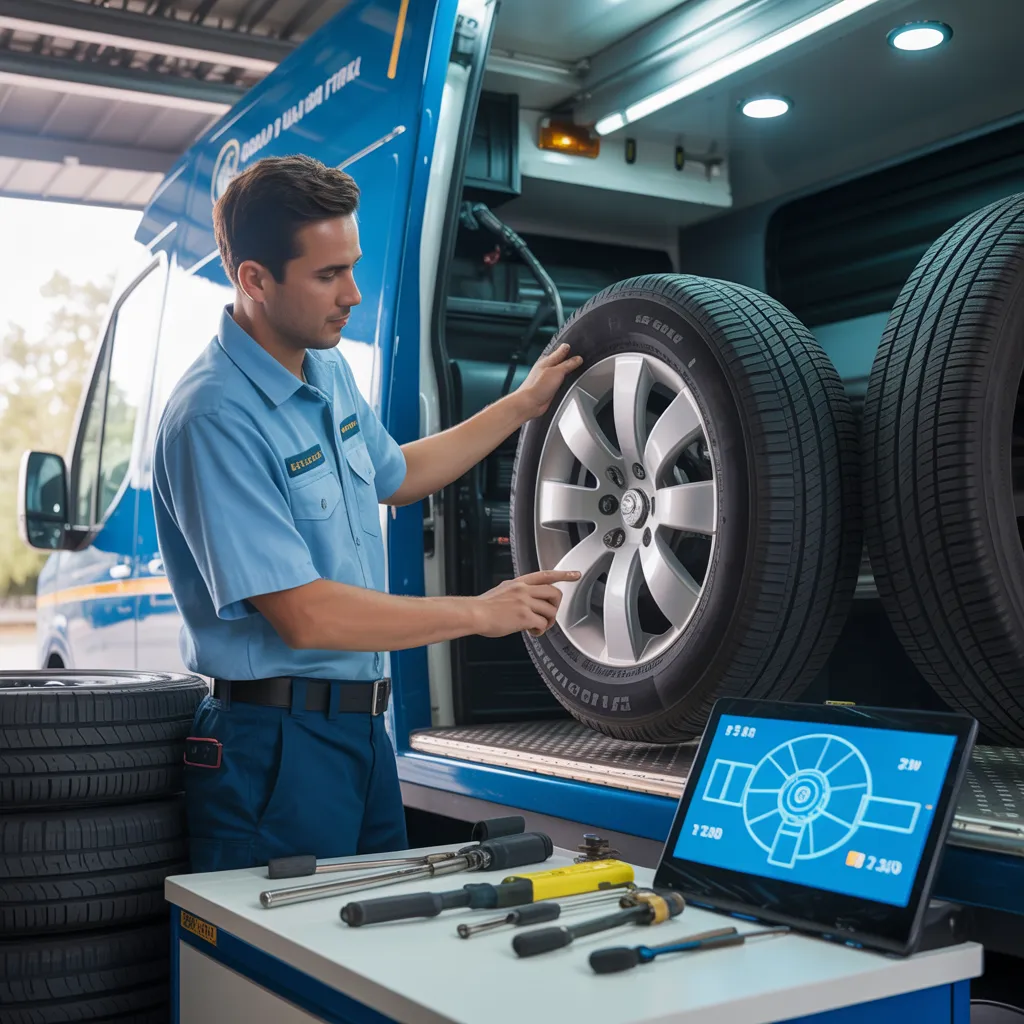
Common Tire Problems to Understand
When drivers fail to check their tires, they may experience several typical problems that can affect safety and performance. One prevalent issue is underinflation, which can lead to increased tire wear and lower fuel efficiency. Over time, this can lead to the tires to overheat, boosting the risk of a blowout. Another common problem is tread wear, which affects traction and handling, particularly in wet conditions. Uneven wear may indicate alignment or suspension issues, demanding further inspection. Additionally, drivers may experience punctures or sidewall damage from road hazards, causing slow leaks or complete tire failure. Regular tire rotations, inspections, and proper inflation are vital for preventing these issues. Finally, climate effects can also contribute to tire degradation, making it essential for drivers to pay close attention to their tire health. By understanding these common problems, drivers can improve their safety on the road.
When to Determine About Getting Tire Repairs: A Tutorial?
Recognizing the signs that tire repairs are necessary is essential for preserving vehicle security and efficiency. Drivers should be attentive for particular signals that indicate tire problems. Uneven wear patterns on the surface, for instance, may signal positioning issues or insufficient inflation. Additionally, apparent harm, such as slices, swelling, or holes, often necessitates immediate attention. A abrupt decrease of air compression or frequent need for inflation
Drivers need to watch for handling and performance changes, such as jerks or pulling to one side, which could hint at tire imbalances or internal damage. Also, regularly checking the tread's depth is necessary; tires with worn or bald spots jeopardize traction. By noticing these signs, drivers can confirm timely repairs, enhancing both safety and vehicle longevity. Dealing with these issues quickly not only guards against potential accidents but also minimizes more extensive repair costs later on.
A Overview to Learning About the Tire Maintenance Process
The tire fixing process typically involves several crucial phases to ensure safety and effectiveness. Initially, a technician inspects the tire for obvious damage and evaluates its overall condition. This inspection helps decide whether the tire can be repaired or requires replacement. Following the inspection, the technician may take off the tire from the wheel to identify punctures or internal damage.
Once any problems are found, the technician cleans the affected section and readies it for repair. This may involve installing a patch or insert, depending on the nature and position of the damage. After the repair is completed, the tire is remounted and properly inflated to the manufacturer's specifications.
Finally, a quality verification confirms that the repair complies with safety standards. Throughout the process, technicians prioritize correspondence, informing the buyer of reports and recommendations. This structured approach guarantees a dependable service, helping drivers to return to the road with confidence.
DIY Tire Fixes vs. Professional Help
After grasping the tire fixing procedure, many drivers may think about whether to tackle fixes on their own or seek expert help. DIY tire repairs can be appealing, particularly for those with basic mechanical skills and equipment. Simple holes can often be fixed using repair kits obtainable at more info auto retail stores, saving both time and cost. However, this method involves risks if proper methods are not used, possibly resulting in additional damage or safety hazards.
However, professional tire repair services offer specialized knowledge and advanced tools. Trained technicians can carefully assess tire damage, confirming repairs prove effective and sound. They can also recognize hidden concerns that a DIY approach might overlook. Finally, the decision regarding professional assistance versus DIY repairs copyrights on the driver's confidence, skill level, and how severe the tire damage is. Reaching an educated decision is vital for ensuring safety on the road.
Tips for Locating the Perfect Tire Repair Service
How can motorists guarantee they select the best tire maintenance service? First, they should research local options, focusing on customer reviews and scores. This information offers insight into the quality of service and reliability of various shops. Next, verifying for certifications and partnerships with established automotive organizations can demonstrate expertise and expertise.
Additionally, drivers should ask regarding the kinds of repair services provided, ensuring the service can handle their particular tire problems. Clear pricing practices is also essential; trustworthy facilities offer transparent quotations without hidden fees.
Moreover, analyzing the shop's warranty policies on repairs can give peace of mind. Finally, ease of access is crucial—closeness to your home or workplace, as well as business hours, can determine the selection. By evaluating these considerations, motorists can assuredly select a auto repair shop that satisfies their requirements effectively.
Importance of Regular Tire Maintenance
Regular tire upkeep delivers numerous benefits that extend the life span and performance of tires. By routinely checking tire air pressure, tread depth, and overall condition, vehicle owners can ensure optimal grip and control. Proper inflation decreases deterioration, enhancing fuel efficiency and saving money at the pump. In addition, regular inspections can help detect issues such as uneven wear or damage, enabling for prompt fixes that prevent greater issues down the road.
Taking care of tires also improves safety by reducing the likelihood of blowouts or accidents caused by insufficient tread. Also, a well-kept set of tires delivers a smoother ride, improving comfort for both the driver and passengers. Through investing effort in regular tire care, individuals are able to maximize their investment’s value, securing dependable performance and peace of mind while driving. To sum up, regular tire maintenance is a key factor in responsible vehicle ownership.
Tips for Preventing Future Tire Problems
Deliberately maintaining tires can considerably cut down the possibility of future setbacks. Periodically checking tire pressure is critical; underinflation can lead to untimely wear and reduced fuel efficiency. It is advisable to inspect tires for visible damage, such as cuts or bulges, which may indicate structural issues. Rotating tires every 5,000 to 8,000 miles helps make certain even wear, increasing their lifespan.
In addition, keeping proper alignment and balance is important to avoid uneven tread wear. Drivers should also check tread depth, employing the penny test as a practical method; if Lincoln's head is visible, it's time for a replacement. Finally, preventing overloading the vehicle can minimize excessive strain on tires. By utilizing these methods, vehicle owners can enhance tire lifespan and advance a safer driving experience.

Often Sought Questions
How much time does a typical tire repair require?
A common tire repair generally takes roughly 30 minutes to an hour depending on the degree of damage and the exact repair needed. Considerations like technician availability and shop demand can also impact the length of time.
Do All Tire Models Allow Repair?
Not every tire type is able to be repaired. In most cases, punctures located in the tread area on passenger tires could be repairable, whereas sidewall deterioration, extreme wear, or tires that have had numerous fixes often demand purchasing new tires to guarantee safety.
What Is the Price of Tire Repairs?
Tire fix expenses typically range from $10 to $30, determined by the severity of wear and where. Different factors including tire type and the repair facility could determine your final price tag, making prices vary.
Does Your Insurance Protect Tire Repair?
Tire repair protection varies based on which insurance policy you have. Certain plans feature roadside assistance or repair costs, while others do not cover these services. It's essential for individuals to look over their specific coverage terms to determine their coverage for tire repairs.
What Ways Can Help Me to Increase My Tire's Longevity?
To extend a tire's durability, regular maintenance is necessary. This comprises sustaining correct tire pressure, changing tire positions regularly, ensuring proper alignment, avoiding overloading, and tracking tread wear for signs of wear or damage.